

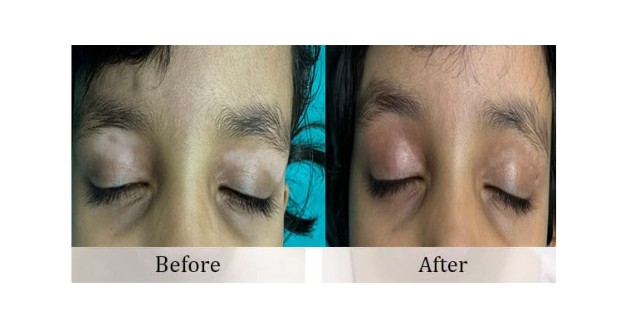
What is Vitiligo?
Understanding Vitiligo:Vitiligo is a chronic skin condition characterized by the loss of pigment-producing cells (melanocytes), resulting in irregular, depigmented patches on the skin. These patches can vary in size and shape and may appear anywhere on the body, including the face, hands, arms, and feet. Vitiligo is not contagious, but it can have a significant impact on a person's self-esteem and quality of life.
Common Symptoms of Vitiligo
- Patchy loss of skin color: Usually first appears on areas like hands, face, feet, and lips.
- Premature whitening or graying: Of hair on scalp, eyebrows, eyelashes, or beard.
- Depigmented patches: That may remain stable or slowly enlarge over time.
- Segmental or generalized patterns: Can be limited to one side (segmental) or widespread (non-segmental).
Treatment Approaches for Vitiligo
At Ojas Skin Care Clinic, we offer a variety of treatment options to help manage and treat vitiligo and restore pigment to the affected areas of the skin.
Our Approach to Vitiligo
At Ojas Skin Care Clinic, our experienced dermatologists and skincare specialists are committed to providing you with personalized vitiligo treatment options tailored to your unique needs. We understand the emotional impact that vitiligo can have on your self-esteem and quality of life, and we are dedicated to helping you achieve healthier, more confident skin. Schedule a consultation with us today to learn more about our vitiligo treatment approach and take the first step towards managing your symptoms and improving your skin health.
Comprehensive Vitiligo Management
Depending on the type and activity of vitiligo, we may recommend one or more of these evidence-based treatments:
- Topical medications: Reduce immune attack on melanocytes, especially for localized patches.
- Oral medications:Primarily aim to halt rapid progression and induce repigmentation by modulating the immune system or reducing oxidative stress.
- microneedeling: Microneedling is an advanced treatment used in vitiligo management to stimulate melanocyte activity and enhance repigmentation.
- Depigmentation therapy: For extensive vitiligo (>50% body surface) where repigmentation is challenging – lightening the remaining skin to achieve uniform color.
- Camouflage and sunscreen: Medical-grade concealer and high-SPF sunscreen to protect depigmented skin from sunburn and blend patches.
- Phototherapy (Narrowband UVB) & Excimer Laser (308 nm): Gold-standard light-based treatments that stimulate melanocyte regeneration and repigmentation. Suitable for both widespread and small, stubborn patches, offering safe, targeted, and faster results.
We monitor your progress with periodic photography and adjust therapy to maximize repigmentation and halt progression.

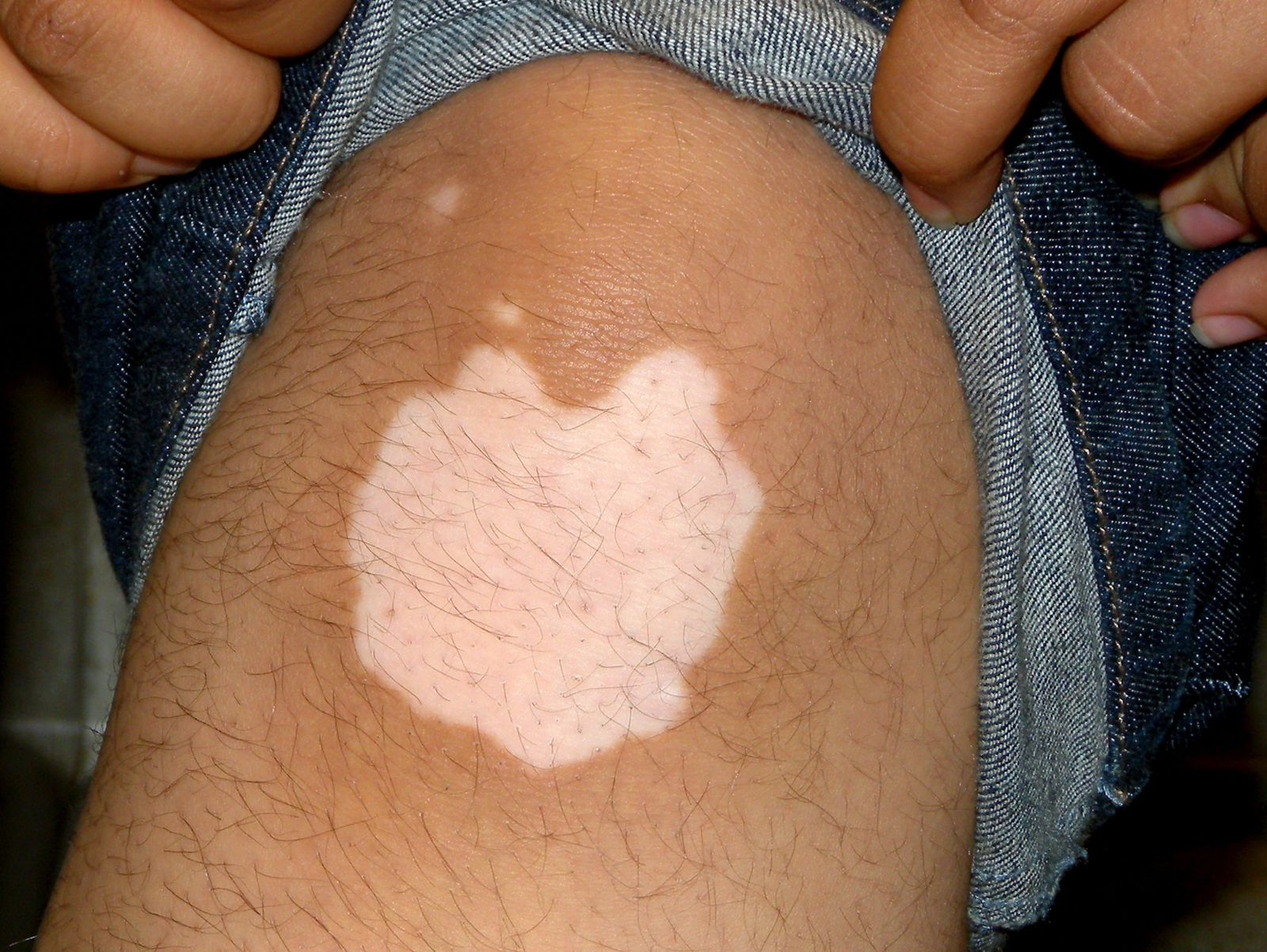
Frequently asked questions
No, vitiligo is absolutely not contagious. It is an autoimmune condition and cannot be transmitted through touch, sharing items, or any other contact.
While there is no permanent cure, treatment can effectively restore pigment in many cases. Response varies – some achieve near-complete repigmentation, while others may have partial repigmentation. Early treatment and consistent therapy yield best results.
Repigmentation is gradual. With phototherapy or topical treatment, you may start noticing small spots of pigment (perifollicular repigmentation) within 3-6 months. Full repigmentation can take 1-2 years depending on the area and consistency of treatment.
Yes, narrowband UVB phototherapy is very safe and considered the gold standard for vitiligo. It's carefully dosed and monitored by our dermatologists. Short-term side effects may include mild redness or tanning; long-term risks are minimal with proper supervision.
Stress is a known trigger for vitiligo onset or flare-ups in genetically predisposed individuals. It doesn't cause vitiligo directly but can activate the autoimmune response. Stress management techniques are often recommended as part of holistic care.