

What is Allergy Treatment?
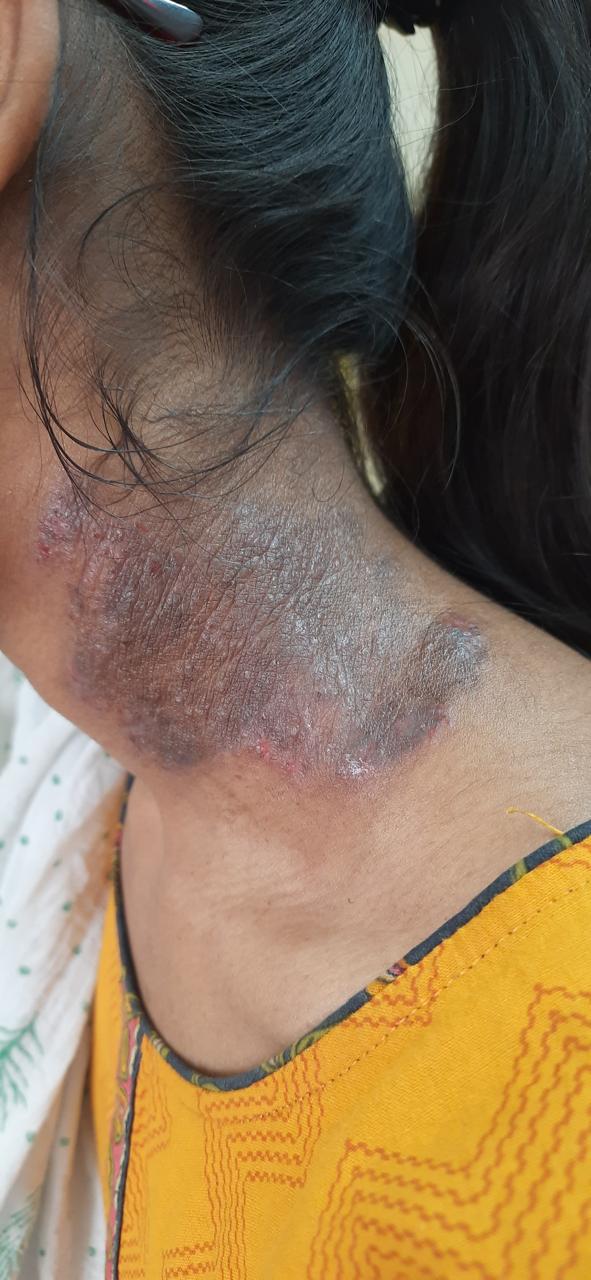
Understanding Allergies: Skin allergies, also known as allergic dermatitis or contact dermatitis, are a common condition that affects millions of people worldwide. These allergies occur when the skin reacts to certain substances, either through direct contact or through airborne particles. Understanding the causes, symptoms, and treatment options for skin allergies is crucial for effective management and relief.
Common Symptoms of Allergies
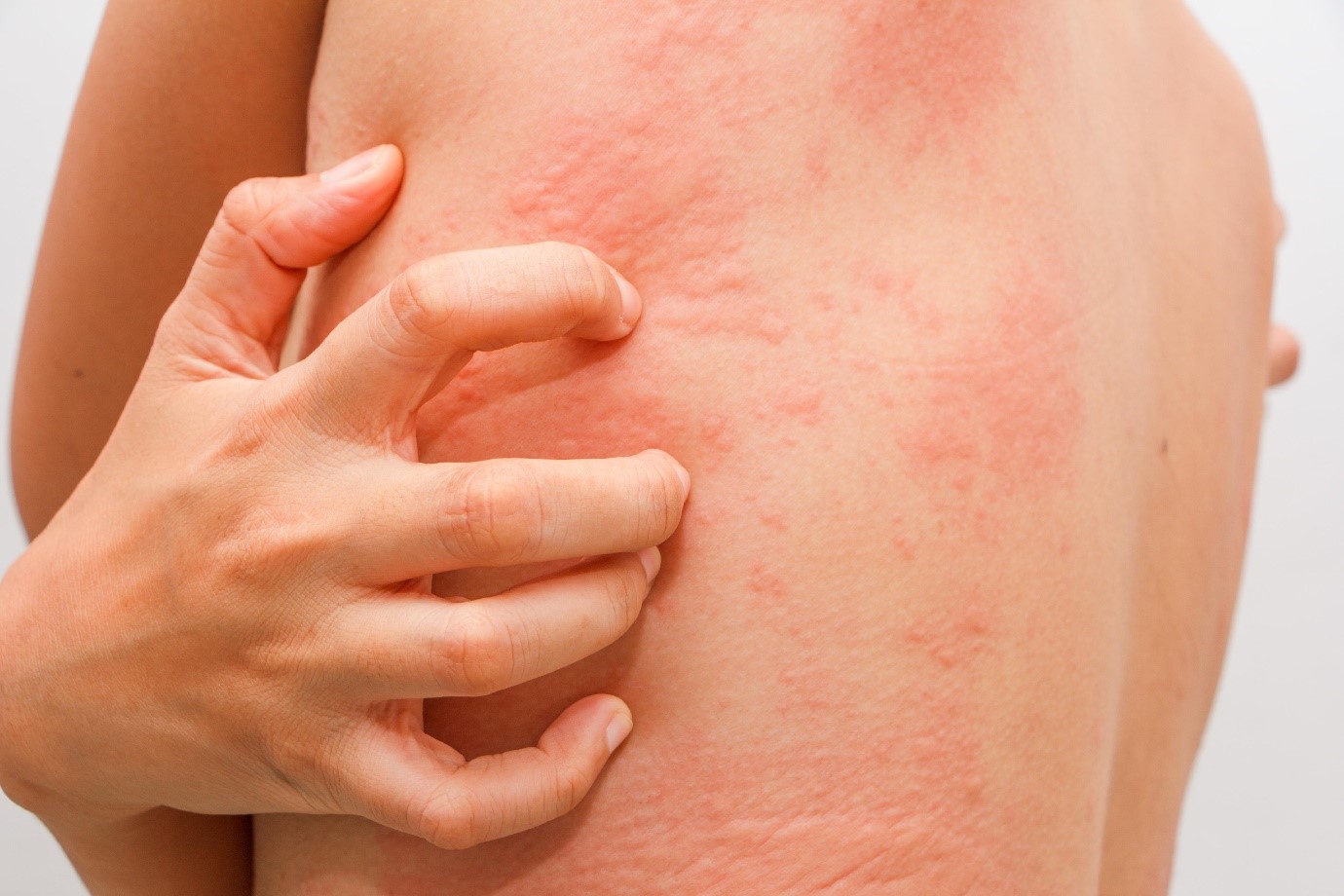
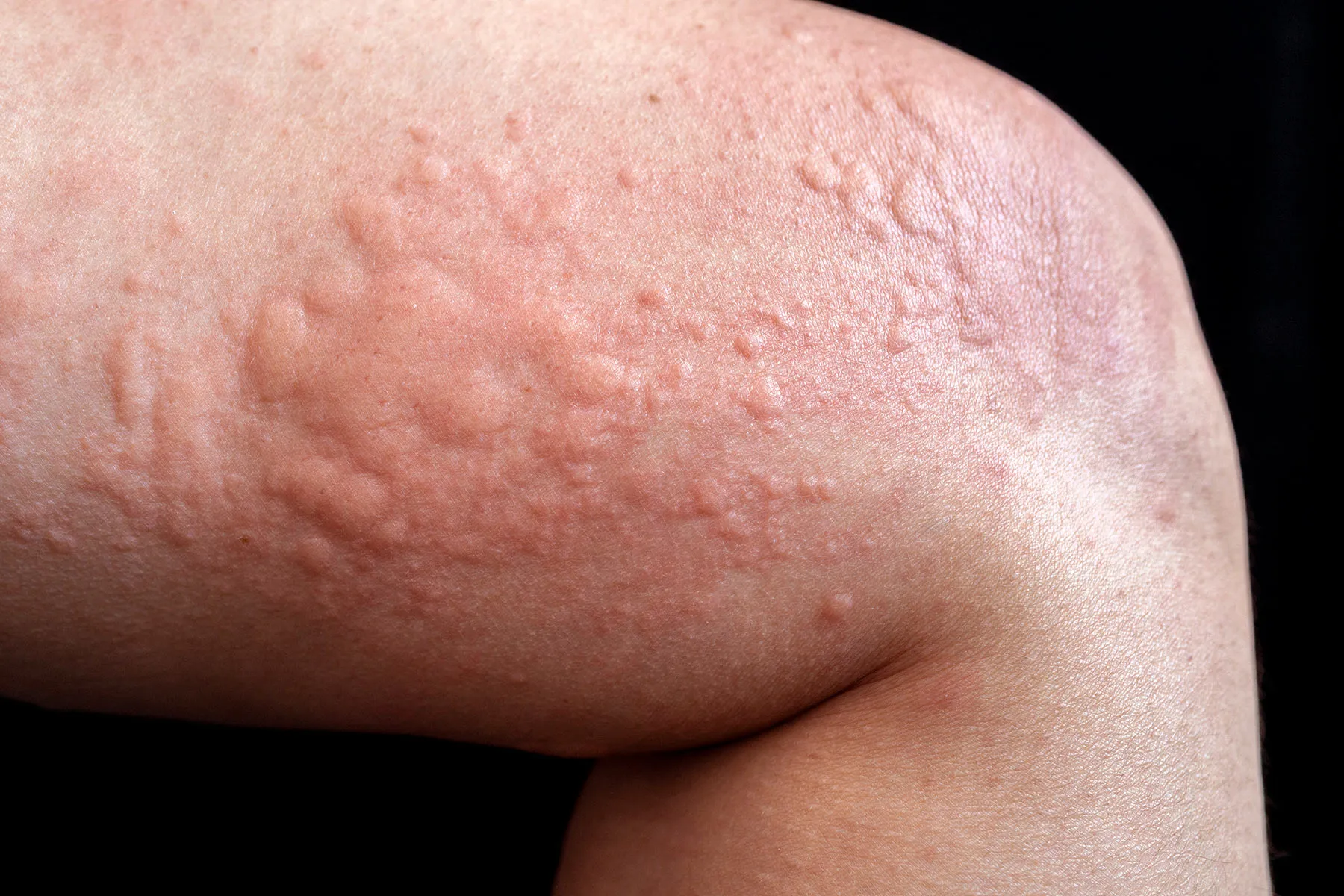
- Skin reactions: Hives (urticaria) – raised, itchy red welts; eczema flares; contact dermatitis – red, itchy rash after touching an allergen.
- Angioedema: Swelling of deeper layers of skin, often around eyes, lips, hands, feet, and genitals.
- Respiratory symptoms: Sneezing, runny or stuffy nose, coughing, wheezing, shortness of breath.
- Itchy, watery eyes: Allergic conjunctivitis.
- Gastrointestinal issues: Nausea, vomiting, diarrhea (often with food allergies).
- Anaphylaxis: A severe, life-threatening reaction with difficulty breathing, drop in blood pressure, dizziness, and loss of consciousness – requires immediate emergency care.
Treatment Approaches for Allergies
Managing skin allergies involves avoiding triggers and implementing appropriate treatment measures.Ojas Skin Clinic offers a range of rejuvenating treatments for your skin and hair. Their expert dermatologists and cosmetologists provide specialized care to address various concerns.
Our Approach to Allergies
At OJAS Hair and Skin Clinic, we are committed to providing cutting-edge allergy care with a personalized touch. With our comprehensive approach and unwavering dedication to patient well-being, we strive to help individuals overcome allergies and live life to the fullest.Ojas Skin and Hair Clinic, led by Dr. Purvaa Chavaan, takes a comprehensive approach to address various skin and hair concerns.
Comprehensive Allergy Treatment
Depending on the type and severity of your allergy, we may recommend one or more of these evidence-based treatments:
- Allergen identification: Skin prick testing, patch testing (for contact dermatitis), or specific IgE blood tests to pinpoint triggers.
- Trigger avoidance counseling: Detailed guidance on avoiding identified allergens – dust mites, pollens, pet dander, certain foods, or chemicals.
- Oral medications: Oral syrups, tablets etc are given to reduce allergic symptoms and discomfort depending on the severity of allergy.
- Topical applications:Topical creams, lotions, soaps , powders, etc are given according to requirement of the allergic rashes.
- Emergency action plan: For severe allergies – prescription epinephrine auto-injectors (EpiPen) and training on usage.
- Moisturizers and barrier creams: For skin allergies to repair and protect skin barrier.
- Management of angioedema and anaphylaxis: Immediate care and preventive strategies.
We work closely with you to manage both acute episodes and long-term control, improving your quality of life.
Frequently asked questions
We take through history of your allergy problem , do examination of the affected area and suggest any investigations if needed.
While there's no permanent cure, specific medications can lead to long-term remission by desensitizing your immune system. Many patients experience significant reduction in symptoms even after completing therapy. Medications help control symptoms effectively.
Oral antihistamines typically start working within 30-60 minutes and provide relief for 12-24 hours. For acute hives or itching, we may recommend faster-acting options. Topical antihistamines are also available for localized skin reactions.
If you experience difficulty breathing, swelling of throat, dizziness, or widespread hives after exposure to an allergen – Rush to your nearest health centre where emergency health services are available.