

Understanding Keloids
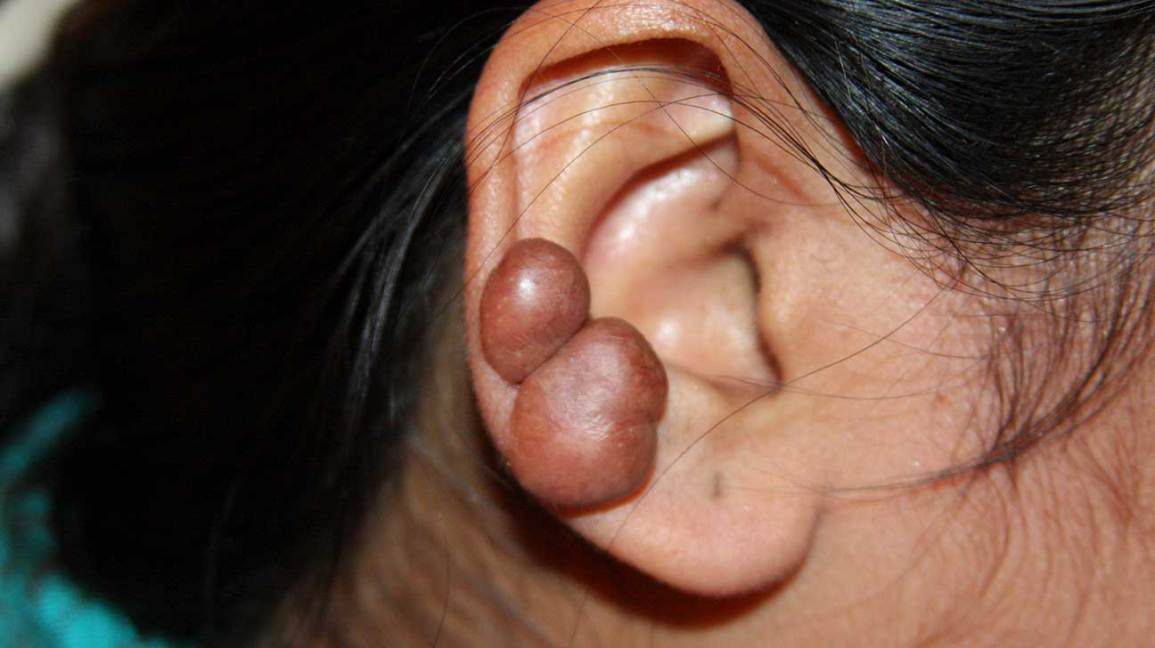
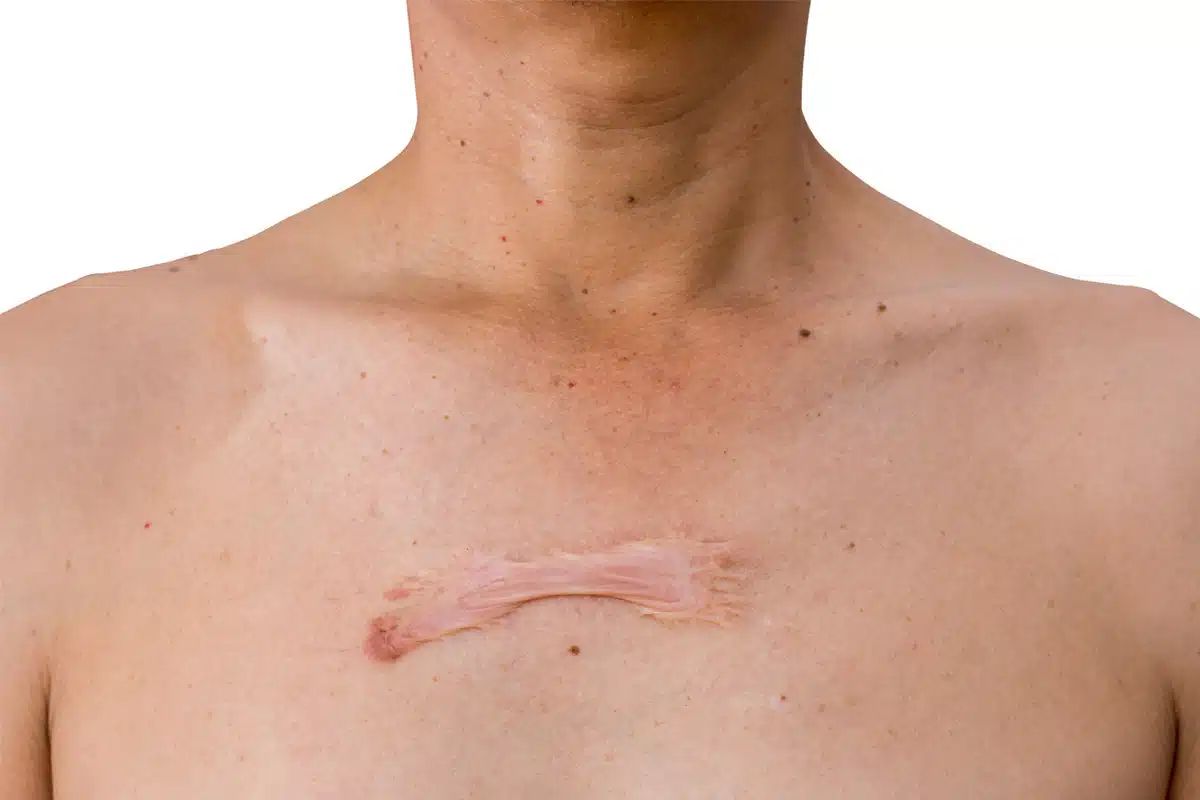
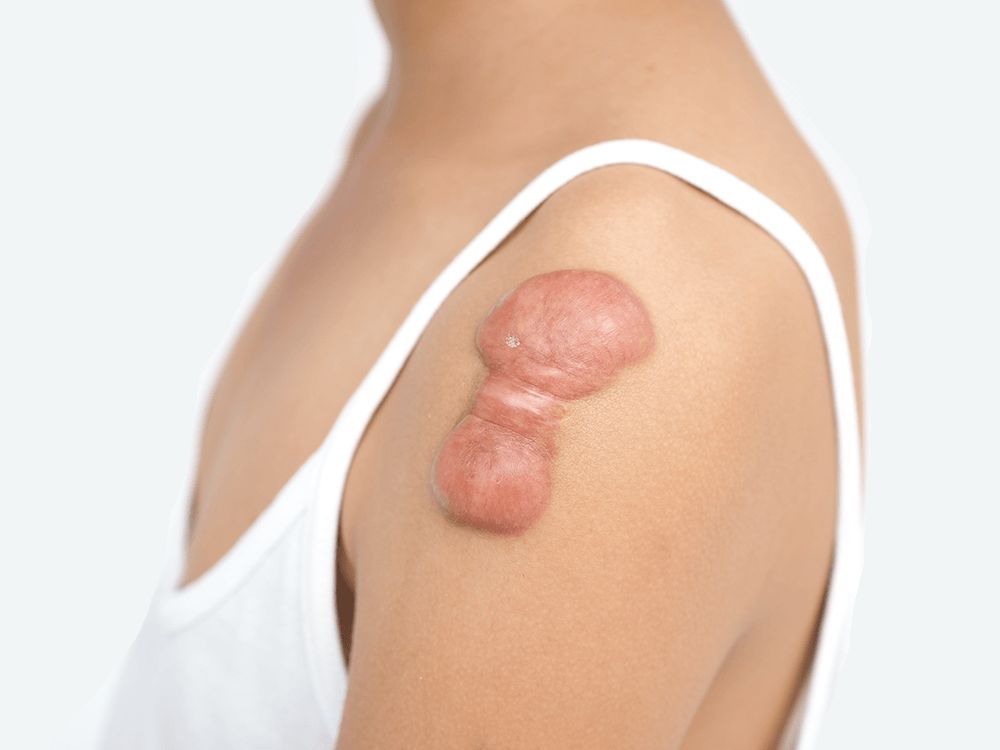
What are Keloids? Keloids are benign overgrowths of scar tissue that extend beyond the original wound boundaries. Unlike normal scars, keloids continue to grow and can become larger than the initial injury. They occur when the body produces excess collagen during the healing process, resulting in raised, thickened areas on the skin.
Key Characteristics
- Appearance: Shiny, smooth, dome-shaped, ranging from pink to dark brown
- Texture: Firm and rubbery to touch
- Symptoms: May cause itching, tenderness, or pain
- Location: Common on chest, shoulders, earlobes, and back
- Growth: Can continue to expand for weeks or months after injury
Common Causes of Keloids
- Surgical incisions: Post-surgical scars that heal abnormally
- Piercings: Especially ear piercings and body piercings
- Burns and injuries: Severe burns or traumatic wounds
- Acne scars: Severe cystic acne can trigger keloid formation
- Tattoos: Skin trauma from tattooing process
- Genetic predisposition: More common in people with darker skin tones and family history
Comprehensive Treatment Approaches
At Ojas Skin Care Clinic, we offer a multimodal approach to keloid treatment, combining various techniques for optimal results. Treatment plans are customized based on keloid size, location, age, and individual patient factors.
Injections
Primary treatment for keloids. Medication is injected directly into the keloid to reduce inflammation, flatten the scar, and alleviate itching. Usually requires multiple sessions at 4-6 week intervals.
Surgical Removal
Keloid excision followed by immediate postoperative radiation or steroid injections to prevent recurrence. Often combined with other treatments for best results.
Laser Therapy
Pulsed dye laser and fractional lasers reduce redness, flatten keloids, and improve texture. Multiple sessions needed for optimal results.
Pressure Therapy
Pressure earrings or garments applied after treatment to prevent recurrence. Particularly effective for ear lobe keloids.
Topical Treatments
Silicone gel sheets, onion extract gels, and medicated creams as adjunct therapy or for mild cases.
Advanced Keloid at Ojas
Our specialized approach combines evidence-based therapies for comprehensive keloid care:
Combination Therapy Protocol:
- Initial Assessment: Detailed evaluation of keloid characteristics, skin type, and medical history
- Intralesional Injections: Injections every 4-6 weeks.
- Post-treatment Care: Pressure therapy and silicone gel application
- Maintenance: Regular follow-ups to prevent recurrence
Prevention Strategies:
- Early intervention for at-risk wounds
- Proper wound care and infection prevention
- Avoidance of unnecessary skin trauma
- Use of silicone sheets on healing wounds in predisposed individuals
- Regular monitoring of surgical incisions
Why Choose Ojas for Keloid Treatment?
- Experienced dermatologists specialized in scar management
- State-of-the-art equipment for laser and cryotherapy
- Customized treatment plans based on keloid type and location
- Comprehensive follow-up care to prevent recurrence
- Affordable pricing with transparent consultation
Frequently Asked Questions
While keloids cannot always be permanently removed, they can be significantly flattened and improved with proper treatment. The key is ongoing management and combination therapy to minimize recurrence. Even after successful treatment, maintenance sessions may be needed.
The number of sessions varies based on keloid size, age, and location. Typically, patients need 3-6 injection sessions at 4-6 week intervals. Laser therapy may require 4-8 sessions. We'll create a personalized treatment plan during your consultation.
Most patients experience mild to moderate discomfort during injections. We use topical anesthetics and very fine needles to minimize pain. The procedure is quick, and any discomfort subsides shortly after treatment.
Recurrence is possible, especially with surgical removal alone. However, combination treatments significantly reduce recurrence rates. We provide comprehensive aftercare and monitoring to maintain results and address any signs of recurrence early.
Some improvement in itching and softening can be noticed after the first injection session. Visible flattening typically occurs after 2-3 sessions. Full results develop over several months as the keloid responds to treatment.
Side effects are generally mild and may include temporary pain, redness, swelling at injection site, or slight skin lightening with cryotherapy. Serious complications are rare when treatment is performed by experienced dermatologists.