

.jpeg)
Molluscum Contagiosum
What is Molluscum Contagiosum? Molluscum contagiosum is a common viral skin infection caused by the molluscum contagiosum virus (MCV), a member of the poxvirus family. It is characterized by small, raised, pearl-like bumps (papules) on the skin that are usually painless but can become itchy, red, or swollen. The infection is highly contagious and spreads through direct skin-to-skin contact, contaminated objects, or autoinoculation (scratching and spreading to other areas). At Ojas Clinic, we provide comprehensive treatment options for patients of all ages, with special expertise in pediatric cases.
Common Locations on Body
Causes and Transmission
How It Spreads
- Direct skin-to-skin contact with infected person
- Contact with contaminated objects (towels, clothing, toys)
- Sharing swimming pools, baths, or sports equipment
- Autoinoculation (scratching bumps and spreading to other areas)
- Sexual contact (in adults, genital area)
Risk Factors
- Children aged 1-10 years (most common)
- Weakened immune system
- Atopic dermatitis/eczema
- Living in warm, humid climates
- Close-contact activities (wrestling, gymnastics)
- Swimming in public pools
Stages of Molluscum Infection
Stage 1
Small pink/red bumps appear
1-2 weeks after exposureStage 2
Bumps enlarge and develop central dimple
2-4 weeksStage 3
Spontaneous inflammation (redness, swelling)
Stage 4
Bumps clear and resolve
6-12 months (can take longer)Treatment Options at Ojas Clinic
While molluscum contagiosum often resolves on its own within 6-12 months, treatment is recommended to prevent spread, reduce symptoms, and improve appearance. Our dermatologists offer various treatment options based on age, number of lesions, and location.
2. Curettage (Scraping)
The bumps are physically removed using a small, sharp instrument called a curette. Quick and effective, often used for larger bumps. Local anesthetic may be used for comfort.
3. Topical Medications
i. Home Base Therapy:Includes daily application of creams or lotions
ii.Clinic Based Procedure:Application of certain medicines by dermatologist in clinic.
5. Natural Resolution
For mild cases in healthy children, watchful waiting may be appropriate. The bumps will eventually resolve as the immune system fights the virus. Regular monitoring ensures no complications develop.
Special Considerations
In Children
Molluscum is extremely common in children. Treatment decisions consider the child's age, comfort, and ability to cooperate. Gentle options are often preferred. We make the experience positive and stress-free.
In Immunocompromised Patients
People with weakened immune systems (HIV, cancer patients, transplant recipients) may have more extensive, persistent molluscum. Treatment is often more aggressive, and prevention of spread is crucial.
Genital Molluscum
In adults, molluscum in the genital area is considered a sexually transmitted infection. Both partners should be evaluated and treated to prevent reinfection.
When to Seek Medical Attention
- Bumps become red, swollen, or painful (signs of infection)
- Rapid spread of bumps
- Bumps in the eye area
- Patient has weakened immune system
- Diagnosis is uncertain
- Bumps don't resolve after several months
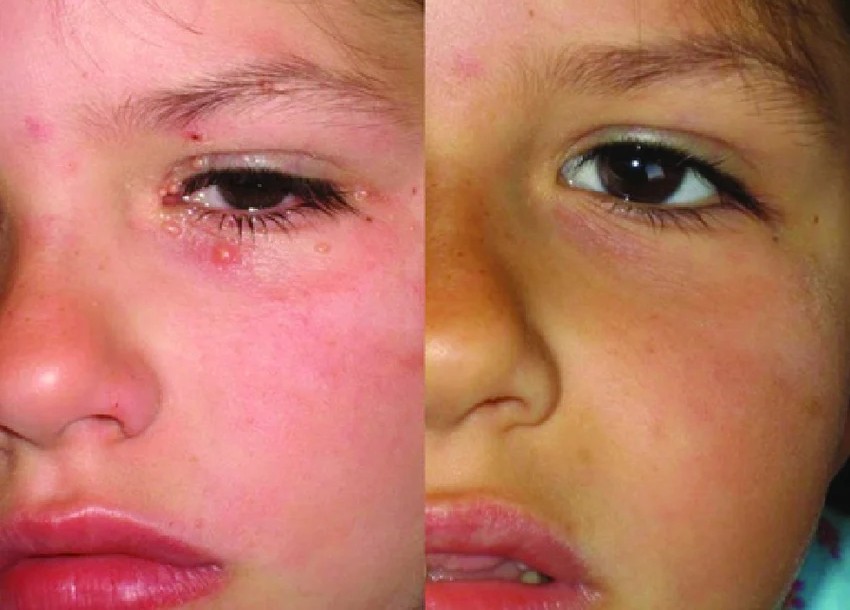
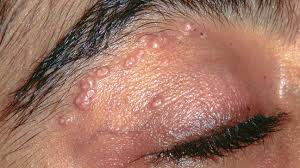
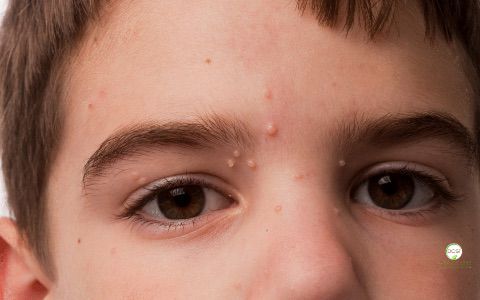
Why Choose Ojas for Molluscum Contagiosum Treatment?
At Ojas Skin & Hair Clinic, we provide specialized care for molluscum contagiosum:
- Pediatric Expertise: Gentle, child-friendly approach with distraction techniques
- Multiple Treatment Options: Tailored to age, number of bumps, and location
- Pain Management: Minimally invasive techniques with numbing options
- Comprehensive Care: Treatment of associated conditions like eczema
- Prevention Guidance: Detailed advice to prevent spread and recurrence
- Experienced Dermatologists: Specialized in viral skin infections
- Follow-up Care: Monitoring until complete clearance
- Affordable Treatment: Competitive pricing with family packages
We understand that molluscum can be concerning, especially for parents of young children. Our compassionate team ensures a positive experience while effectively treating the infection.
Frequently Asked Questions
Molluscum contagiosum is generally harmless and self-limiting in healthy individuals. It does not cause internal organ damage or long-term health problems. However, it can be bothersome due to appearance, itching, and the risk of spreading. In immunocompromised individuals, lesions can be more extensive and persistent. Treatment is recommended to prevent spread and for cosmetic reasons.
In healthy individuals, molluscum typically resolves on its own within 6-12 months, though it can sometimes persist for 2-4 years. Each bump lasts about 2-3 months. However, new bumps can appear as old ones resolve, prolonging the infection. Treatment can significantly shorten the duration and prevent spread. The body eventually develops immunity, making recurrence rare after clearance.
Yes, children with molluscum can usually attend school and participate in normal activities. The infection is mild and exclusion is not required by most schools. However, precautions should be taken: cover bumps with clothing or waterproof bandages, avoid sharing towels and personal items, and discourage scratching. For swimming, use waterproof bandages over bumps. Children with extensive, uncovered lesions may be excluded from close-contact sports like wrestling.
Once the body clears the molluscum virus, immunity develops and recurrence is uncommon. However, new bumps can appear during treatment if some bumps were missed or if autoinoculation occurs. Complete clearance of all visible bumps is necessary. Reinfection is possible but rare, as the immune system typically remembers the virus. In immunocompromised individuals, recurrence or persistence is more common.
Yes, adults can get molluscum, though it's less common than in children. In adults, it's often sexually transmitted when bumps appear in the genital area. Adults with weakened immune systems are also at higher risk. Treatment in adults follows the same principles as in children, with additional counseling about sexual transmission when genital lesions are present. Both partners may need evaluation and treatment.
Molluscum itself typically does not scar when allowed to resolve naturally. However, scratching, picking, or aggressive treatment can lead to scarring or skin discoloration. The inflammation that occurs as the immune system fights the virus may leave temporary redness or dark spots, but these usually fade over time. At Ojas Clinic, we use gentle techniques to minimize scarring risk and provide post-treatment care to optimize healing.