

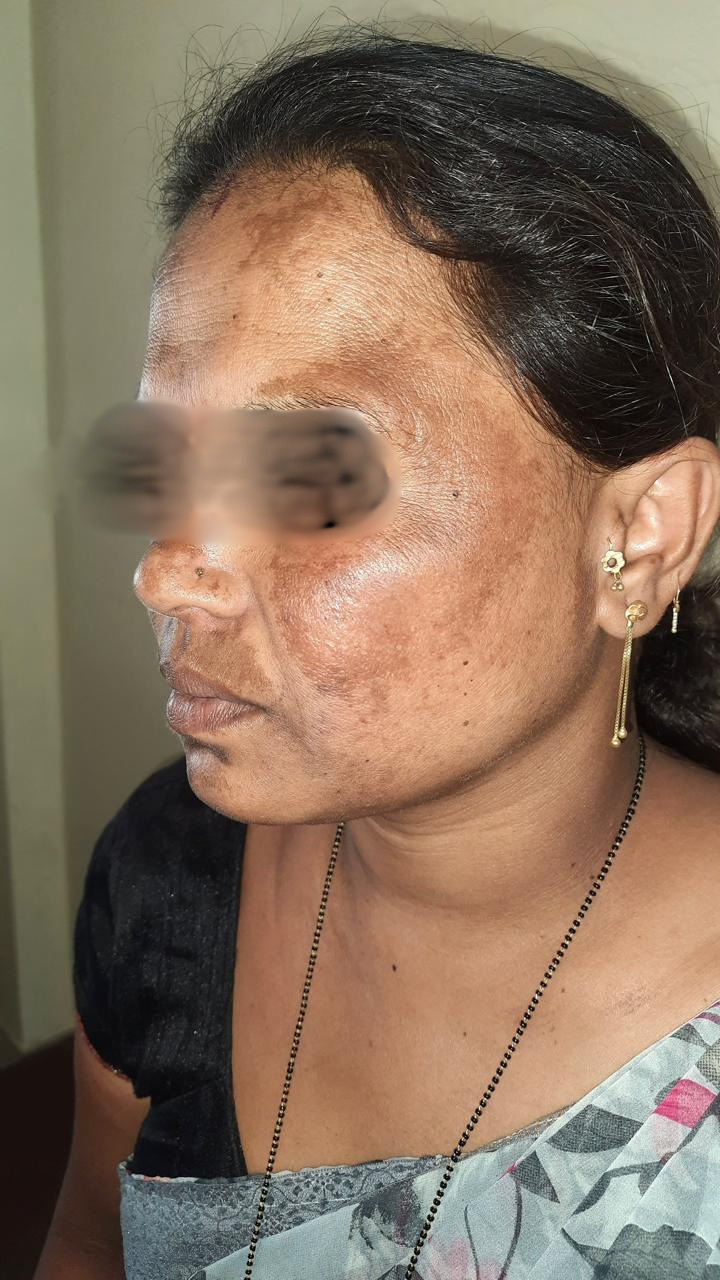
What is Skin Pigmentation?
Understanding Skin Pigmentation:Skin pigmentation refers to the natural colour of an individual's skin, determined by the presence and distribution of melanin – a pigment produced by melanocytes, specialized cells located in the basal layer of the epidermis. The amount and type of melanin in one's skin determine its colour, and variations in pigmentation are influenced by genetic, environmental, and physiological factors
Common Types of Pigmentation
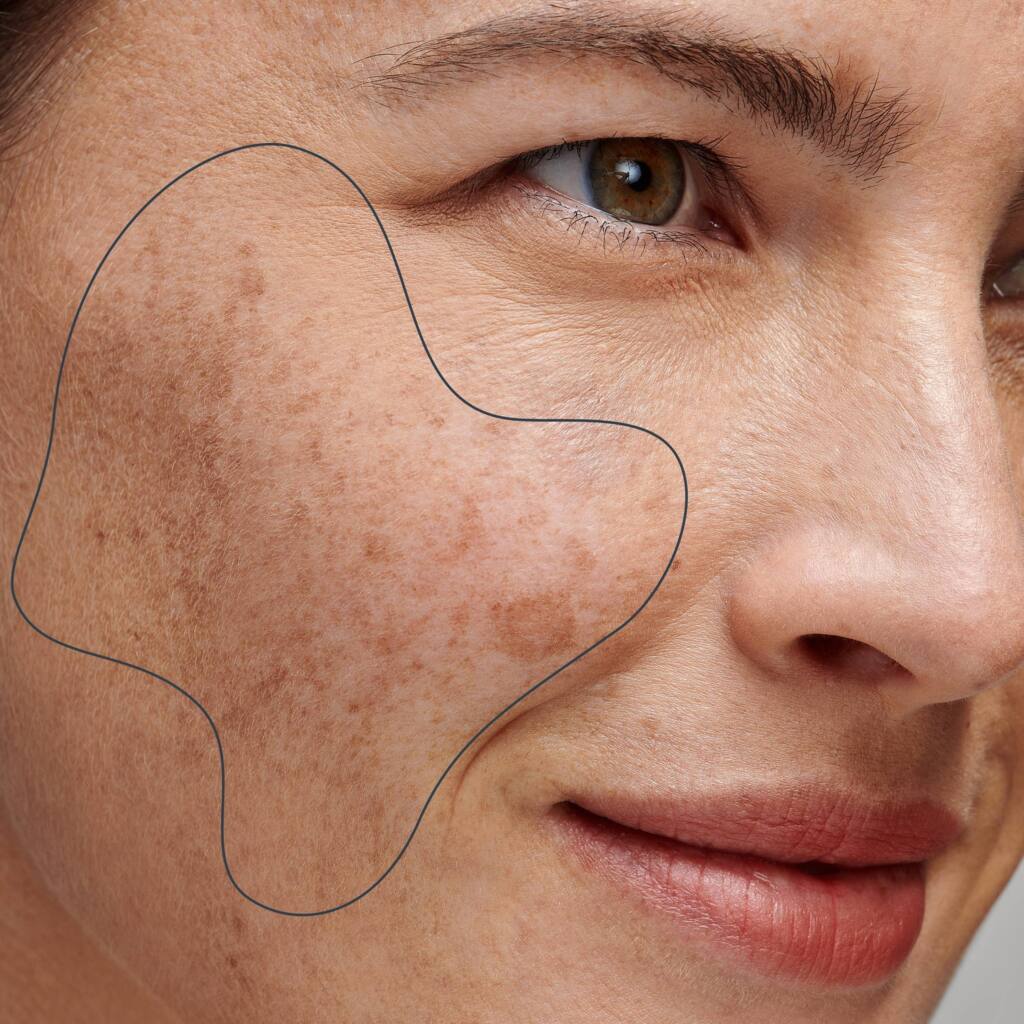
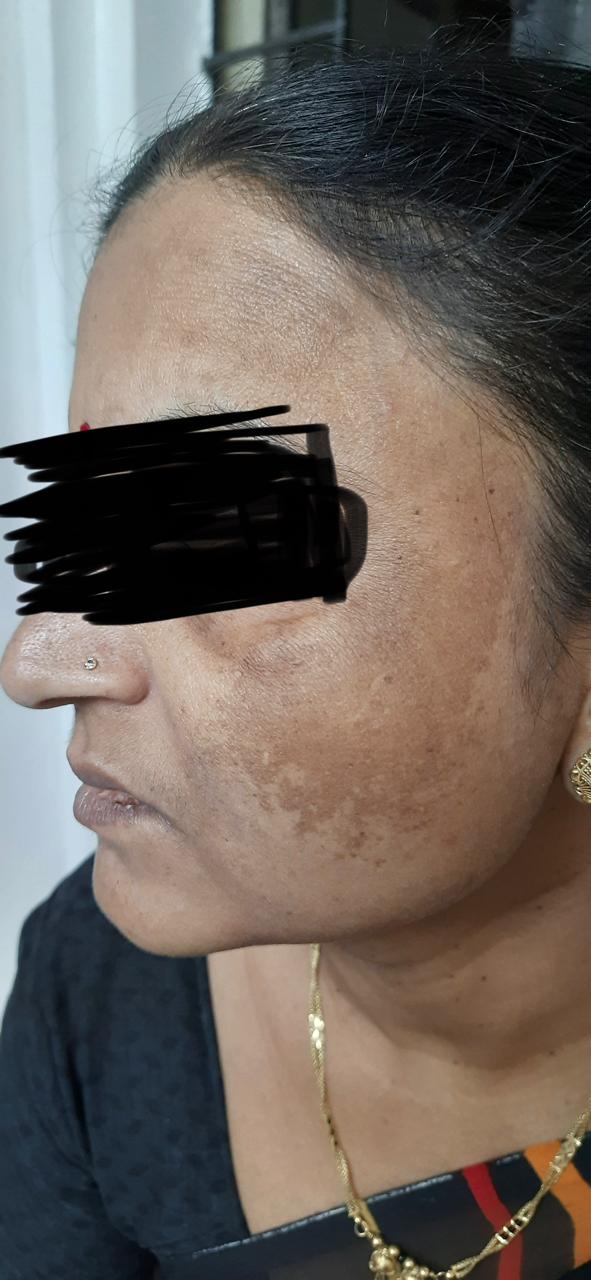
- Melasma: Brown or gray-brown patches, usually on the face (cheeks, forehead, upper lip). Often hormone-related (pregnancy, birth control pills, genetic).
- Sun spots (age spots/lentigines): Flat, brown spots on sun-exposed areas like face, hands, chest – caused by cumulative UV damage.
- Post-inflammatory hyperpigmentation (PIH): Dark marks left after acne, eczema, injury, or inflammation. Common in all skin types.
- Freckles (ephelides): Small, flat, light-brown spots that are genetic and darken with sun exposure.
- Periorbital hyperpigmentation: Dark circles around eyes – can be genetic, vascular, or due to pigmentation.
Treatment Approaches for Skin Pigmentation
At Ojas Skin Care Clinic, we offer a range of treatment options to help address Skin Pigmentation and promote glowing skin.
Our Approach to Pigmentation
At Ojas Hair and Skin Clinic, our approach to addressing skin pigmentation is cantered on understanding the underlying causes, tailoring personalized treatment plans, and empowering patients to achieve healthy, radiant skin.Ojas Skin and Hair Clinic, our approach revolves around providing comprehensive and effective solutions for various skin and hair concerns.
Comprehensive Pigmentation Management
Depending on the type, depth, and cause of pigmentation, we may recommend one or more of these evidence-based treatments:
- Medical-grade topical brighteners: Advanced prescription creams that help lighten dark spots and reduce excess melanin production for a more even skin tone.
- Chemical peels:Chemical peels designed to exfoliate pigmented skin layers and promote collagen renewal for a brighter, more even complexion.
- Microneedeling with Mesotherapy: Enhances penetration of brightening agents and boosts collagen.
- Diet plan guidance: Eat antioxidant-rich foods like fruits, vegetables, and nuts to support healthy, even-toned skin.
- Strict sun protection: Broad-spectrum SPF 50+ sunscreen, physical blockers, and sun-protective clothing are mandatory to prevent recurrence.
We combine in-clinic procedures with a customized homecare regimen for optimal, lasting results.
Frequently asked questions
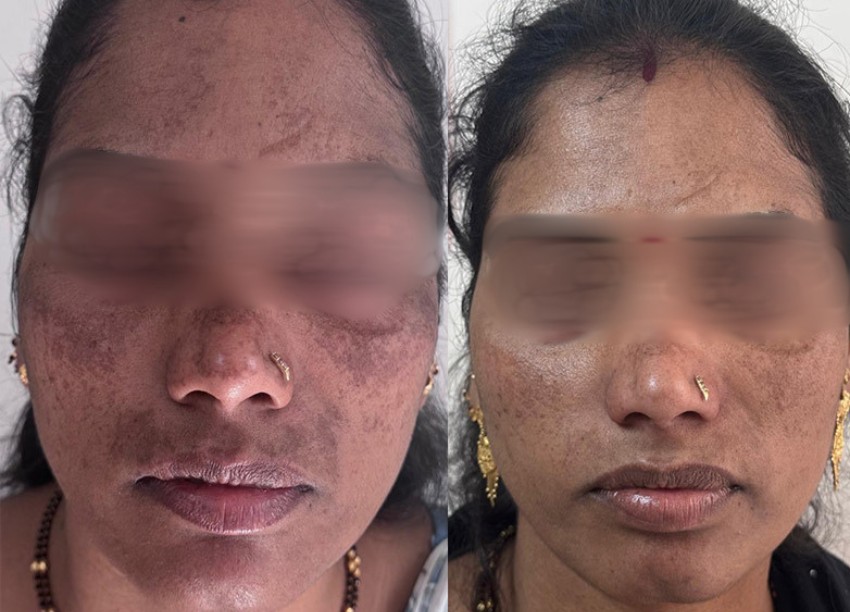
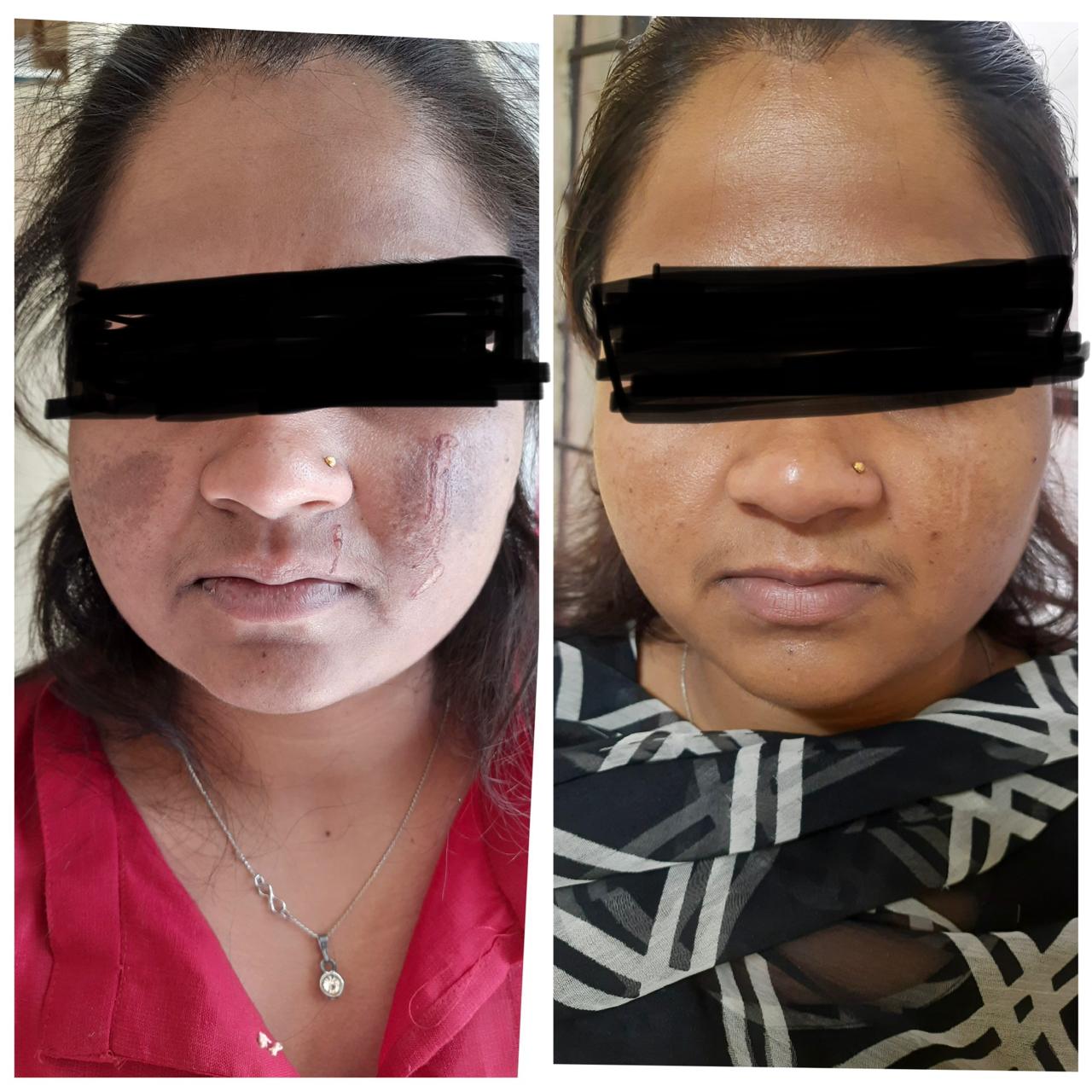
Results vary based on the type and depth of pigmentation. With consistent treatment, you may start seeing lightening within 4-6 weeks. Deeper pigmentation like melasma may take 3-6 months of combination therapy. Patience and sun protection are key.
Yes, when performed by experienced dermatologists, lasers like Q-switched Nd:YAG are safe for all skin types including darker skin. We adjust settings based on your skin tone to minimize risks of post-inflammatory hyperpigmentation.
Yes, pigmentation can recur, especially if you don't protect your skin from the sun or if hormonal triggers persist (e.g., melasma). Maintenance treatments and strict sun protection are essential to prolong results.
We recommend a broad-spectrum sunscreen with SPF 50+ and high UVA protection (PA++++). Physical blockers containing zinc oxide or titanium dioxide are often preferred for melasma. Tinted sunscreens with iron oxides also protect against visible light, which can trigger pigmentation.
Most patients experience a mild tingling or warming sensation during the peel. We use appropriate strengths and neutralize on time to ensure comfort. Post-peel, there may be mild redness and peeling for a few days, which is normal.
We usually advise avoiding makeup for 24-48 hours after procedures like peels or laser. After that, mineral makeup or non-comedogenic products are safe. We'll provide specific aftercare instructions based on your treatment.